
The New 7 Wonders of the World — 7 Places for Your Travel Bucket List
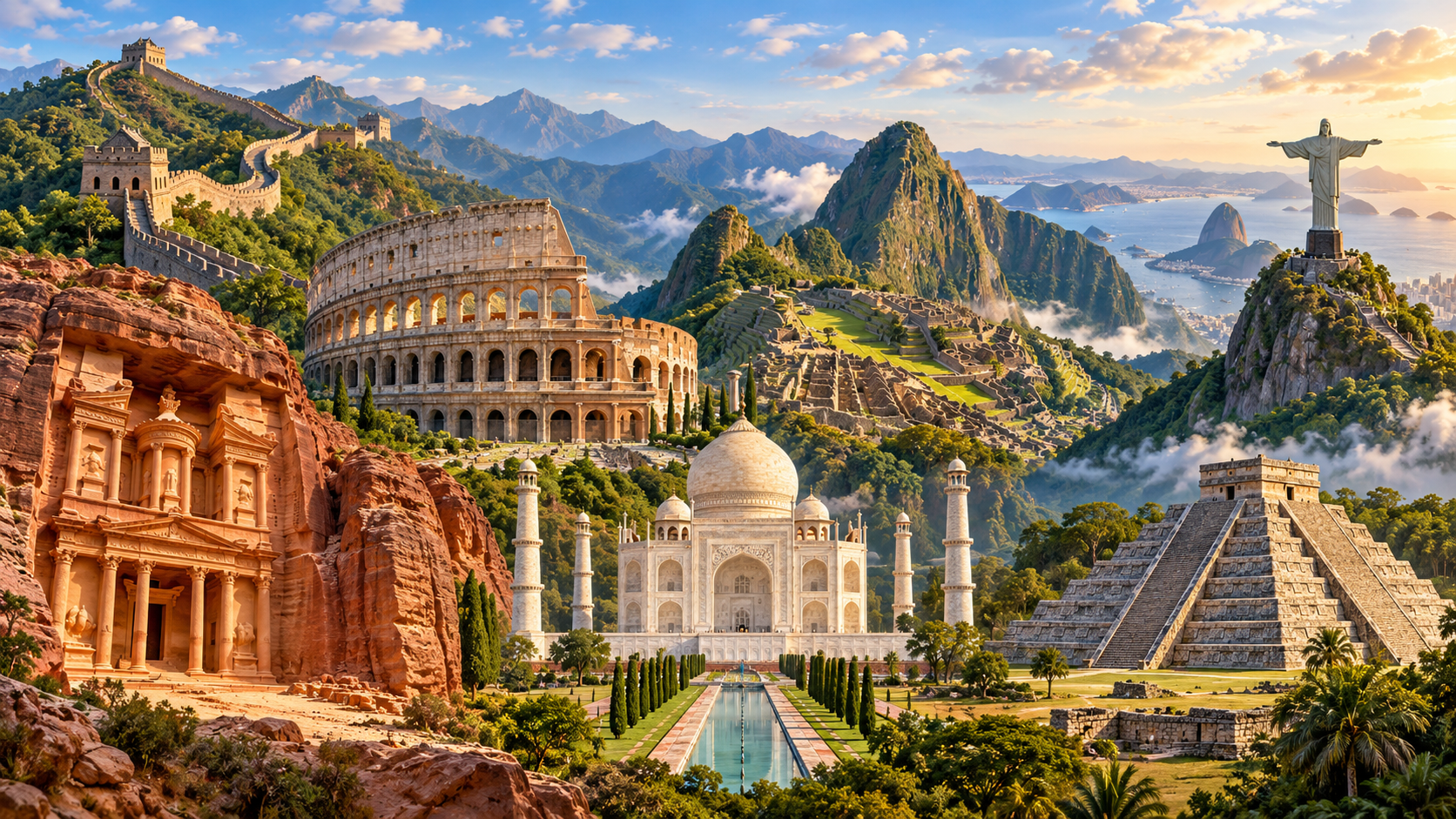
Seven wonders, seven different stories, and seven reasons to travel. From the Great Wall winding through China’s mountains to Machu Picchu high in the Peruvian Andes, discover the New 7 Wonders of the World, chosen through the international New7Wonders public vote and announced on July 7, 2007. Which will you visit first?
The Great Wall of China — History Across the Mountains
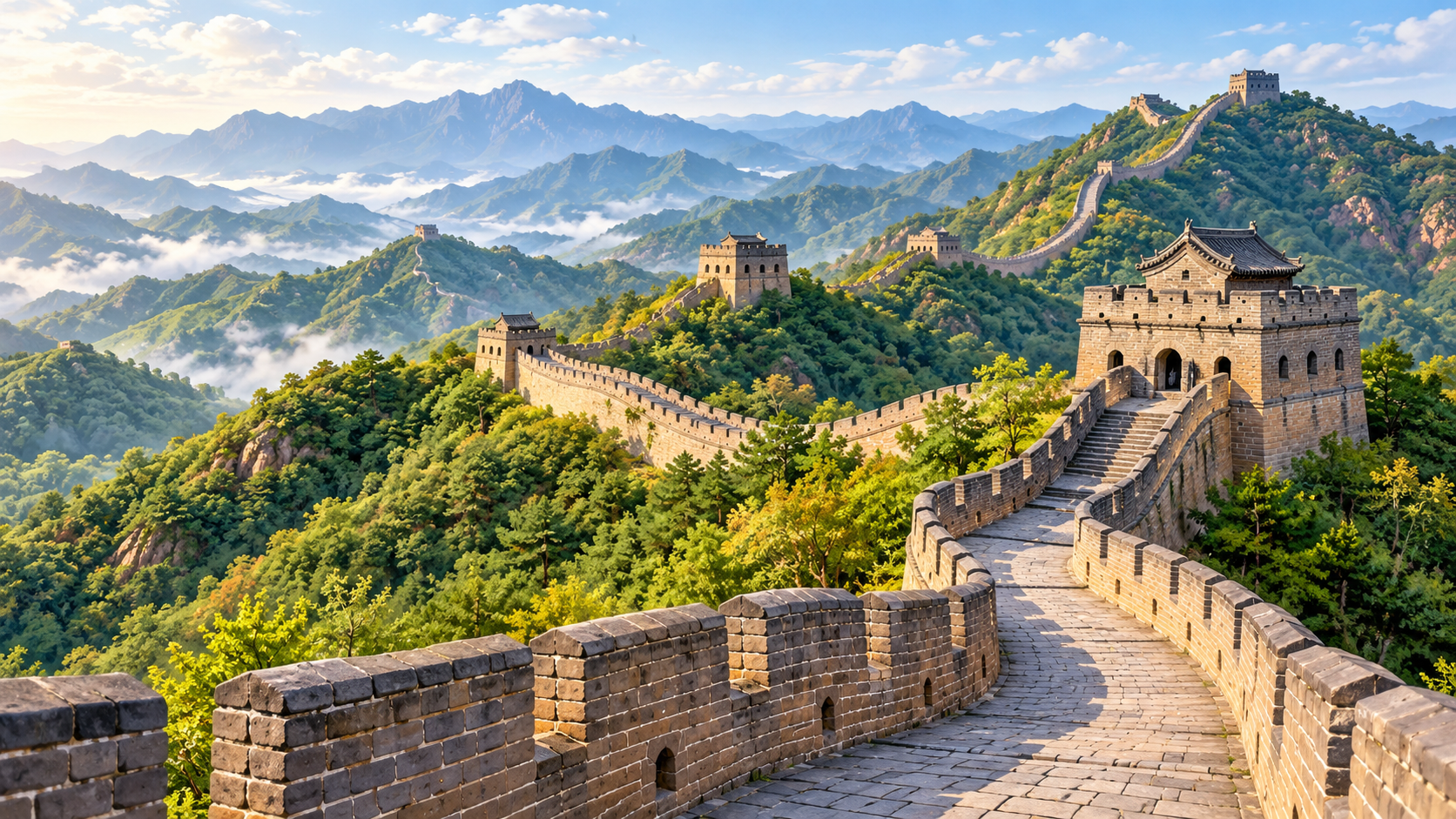
The Great Wall of China is a vast network of defensive structures built by different dynasties over centuries. Stretching across mountains and valleys, its walls, towers, and fortresses once protected the country’s borders. Today, walking its stone pathways combines a journey through Chinese history with sweeping mountain views — here, the path itself is part of the wonder.
Petra, Jordan — The City Carved in Rose-Coloured Rock
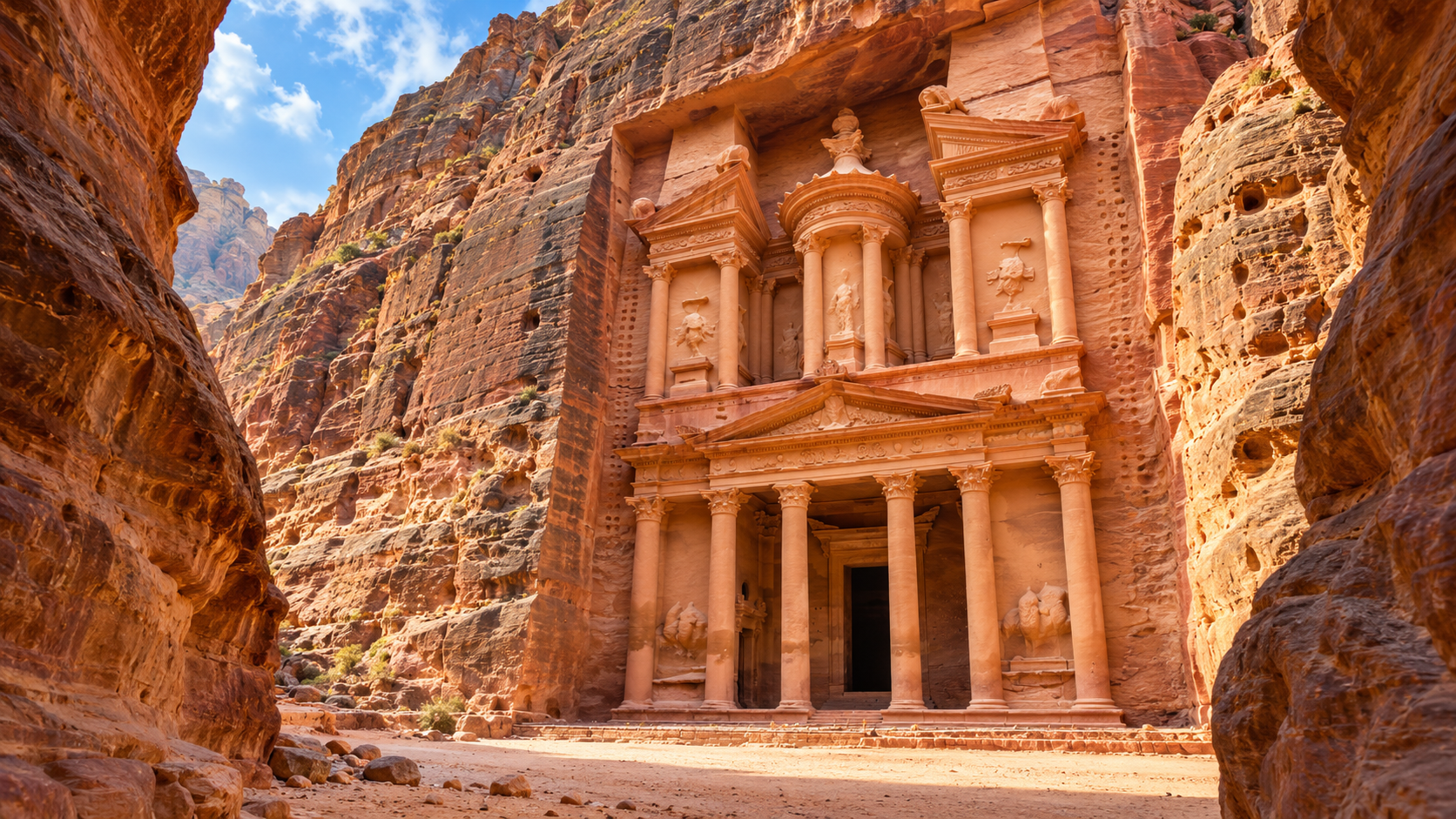
Set within Jordan’s rocky landscape, Petra was an ancient Nabataean city and an important trading centre. Its extraordinary rock-cut façades blend with the natural colours of the surrounding cliffs. The first glimpse of the famous Treasury, Al-Khazneh, through the narrow canyon is unforgettable. Yet this is only the beginning — an entire ancient city waits beyond it.
The Colosseum, Italy — Ancient Rome’s Grand Arena
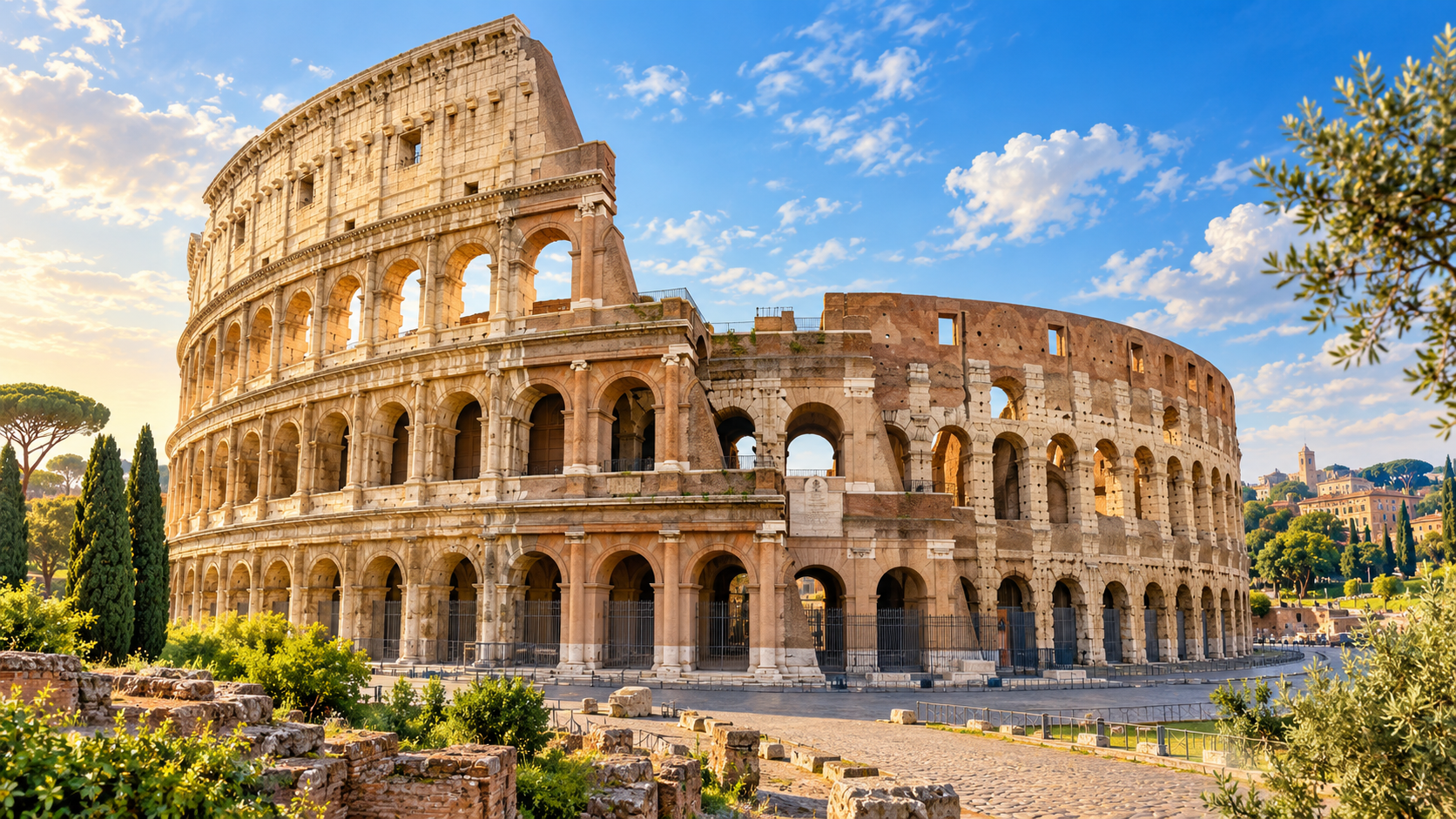
Standing in the heart of Rome, the Colosseum is an amphitheatre built almost two thousand years ago to host gladiatorial contests and public spectacles. Its tiers of arches still reveal the engineering skill of ancient Rome. Standing beside it, you can almost imagine the roar of the arena and the city at the centre of a vast empire.
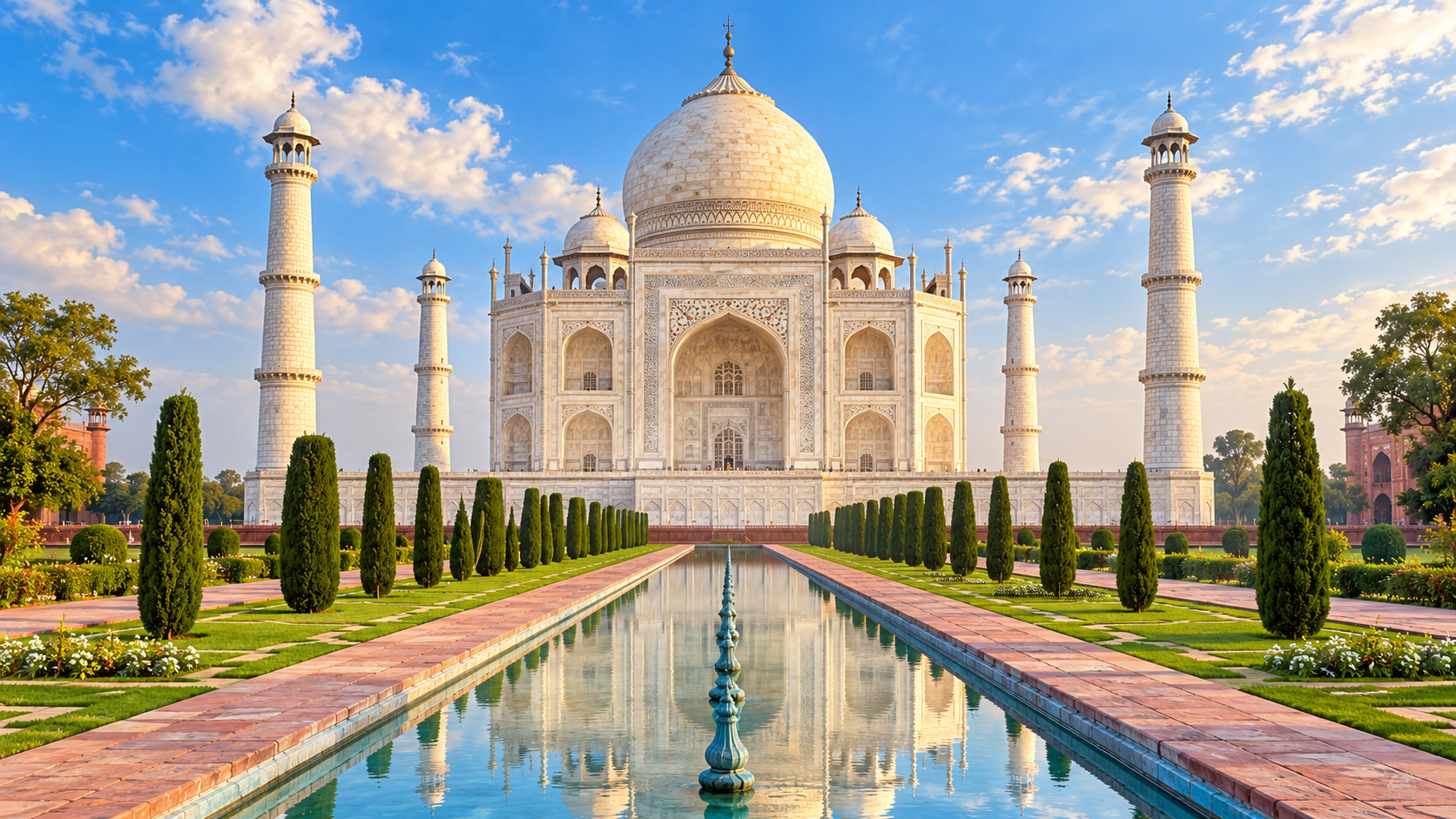
The Taj Mahal, India — A Love Story in White Marble
Located in Agra, India, the Taj Mahal was commissioned in the 17th century by Emperor Shah Jahan in memory of his wife, Mumtaz Mahal. White marble, symmetrical gardens, and a dome reflected in water create an extraordinary setting. Its appearance shifts with the changing daylight, making it a place as captivating for its architecture as for the story behind it.
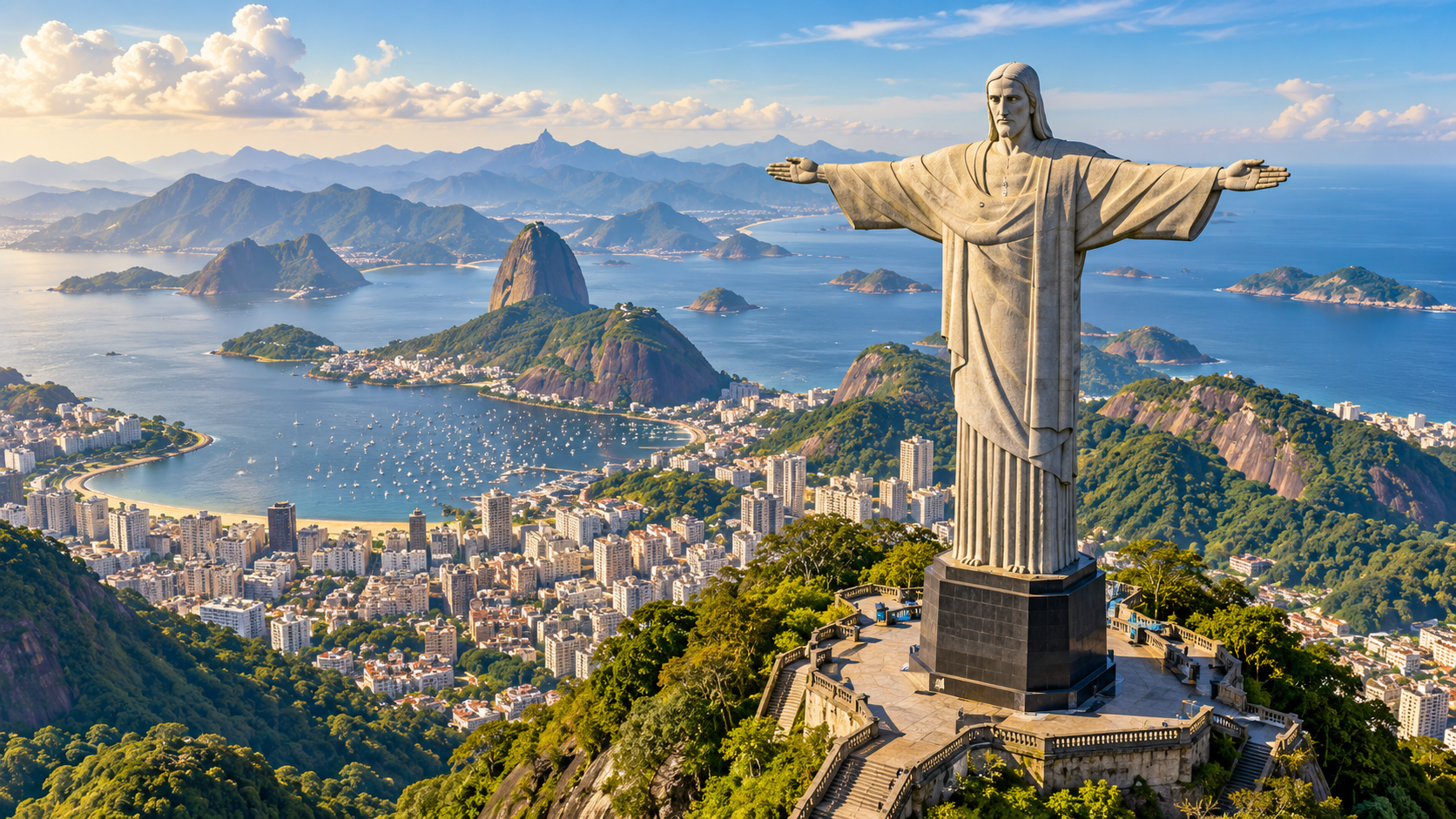
Christ the Redeemer, Brazil — Rio’s Icon Above the Clouds
Standing on Mount Corcovado above Rio de Janeiro, Christ the Redeemer is one of Brazil’s most recognisable landmarks. Completed in 1931, the monument overlooks the city with outstretched arms. The setting is part of its appeal: green mountains, coastline, and the bay come together in Rio’s distinctive panorama. This is a place to see the city from an entirely different perspective.
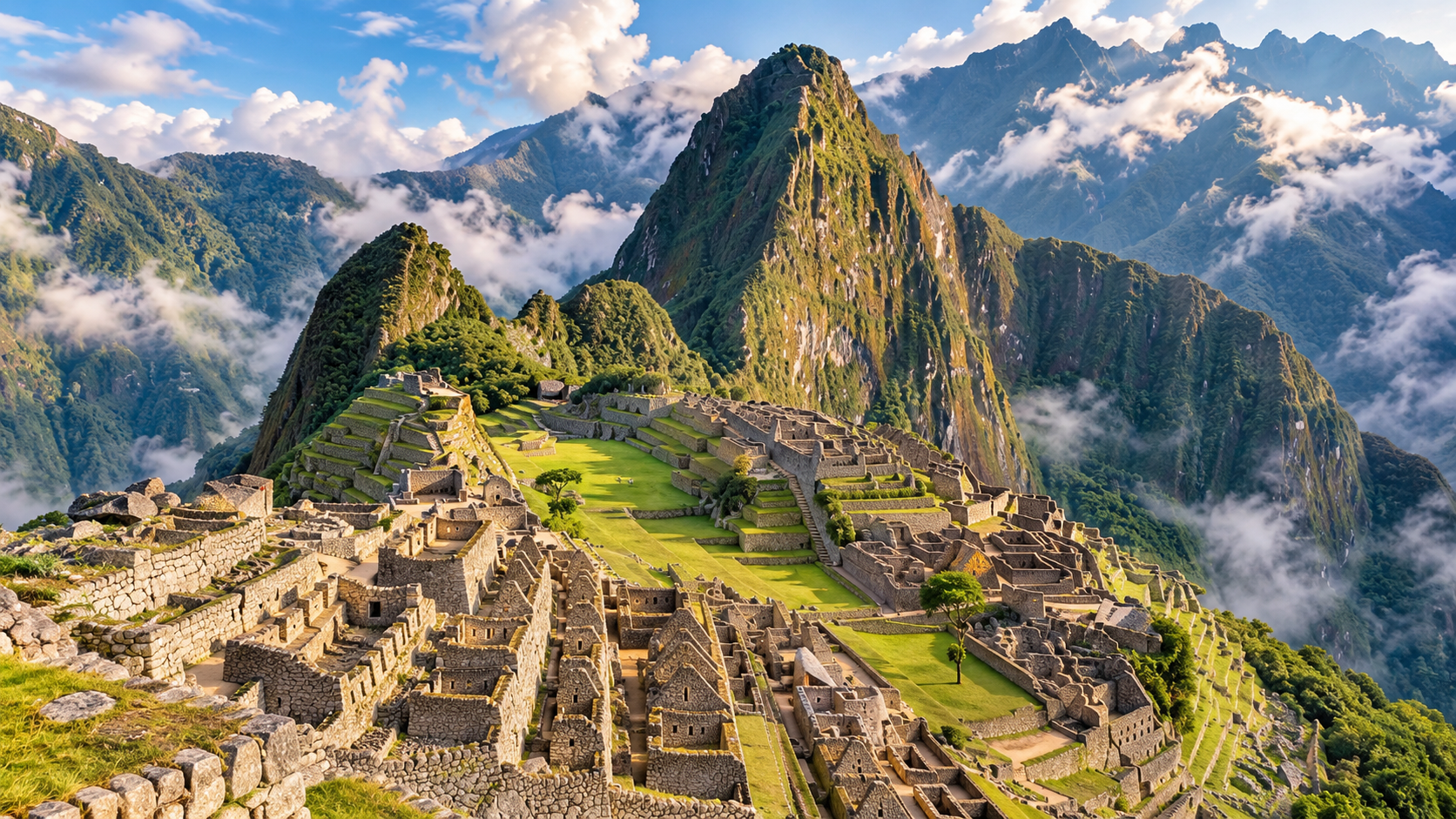
Machu Picchu, Peru — The Inca World High in the Andes
Set among steep mountains in the Peruvian Andes, Machu Picchu is an extraordinary legacy of the 15th-century Inca civilisation. Its stone buildings and stepped terraces follow the mountain terrain so closely that they seem inseparable from the landscape. Cloud-wrapped peaks make the setting even more striking. Here, nature and human craftsmanship come together in one unforgettable view.
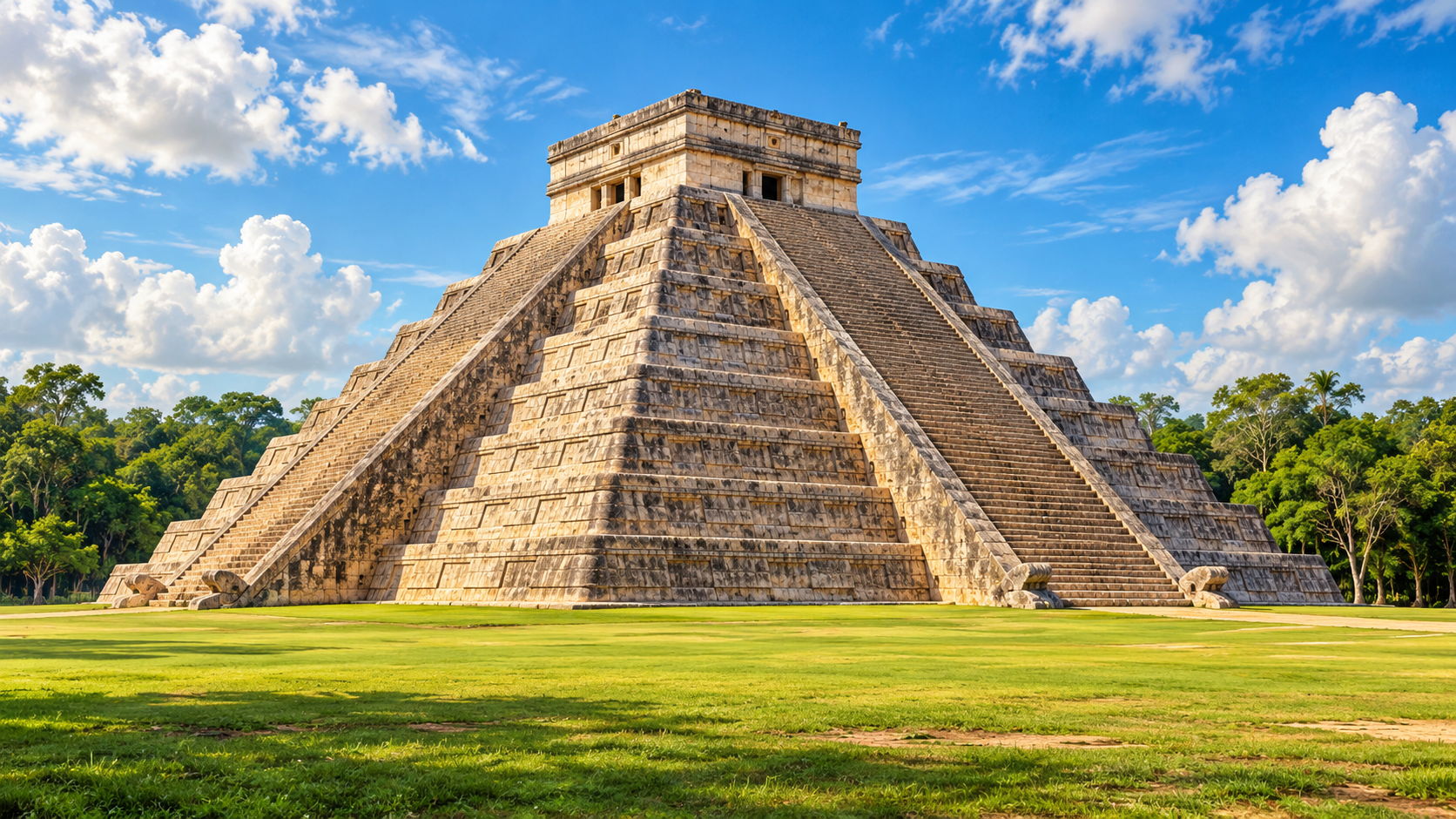
Chichén Itzá, Mexico — The Maya Civilisation’s Legacy in Stone
Located on Mexico’s Yucatán Peninsula, Chichén Itzá was an important centre of the Maya civilisation. Its most recognisable structure is the stepped Pyramid of Kukulcán, also known as El Castillo. Temples, stone carvings, and the Great Ball Court offer glimpses into the ancient city’s religious and public life. Its remarkable architecture provides a memorable introduction to the Maya world.